Gear
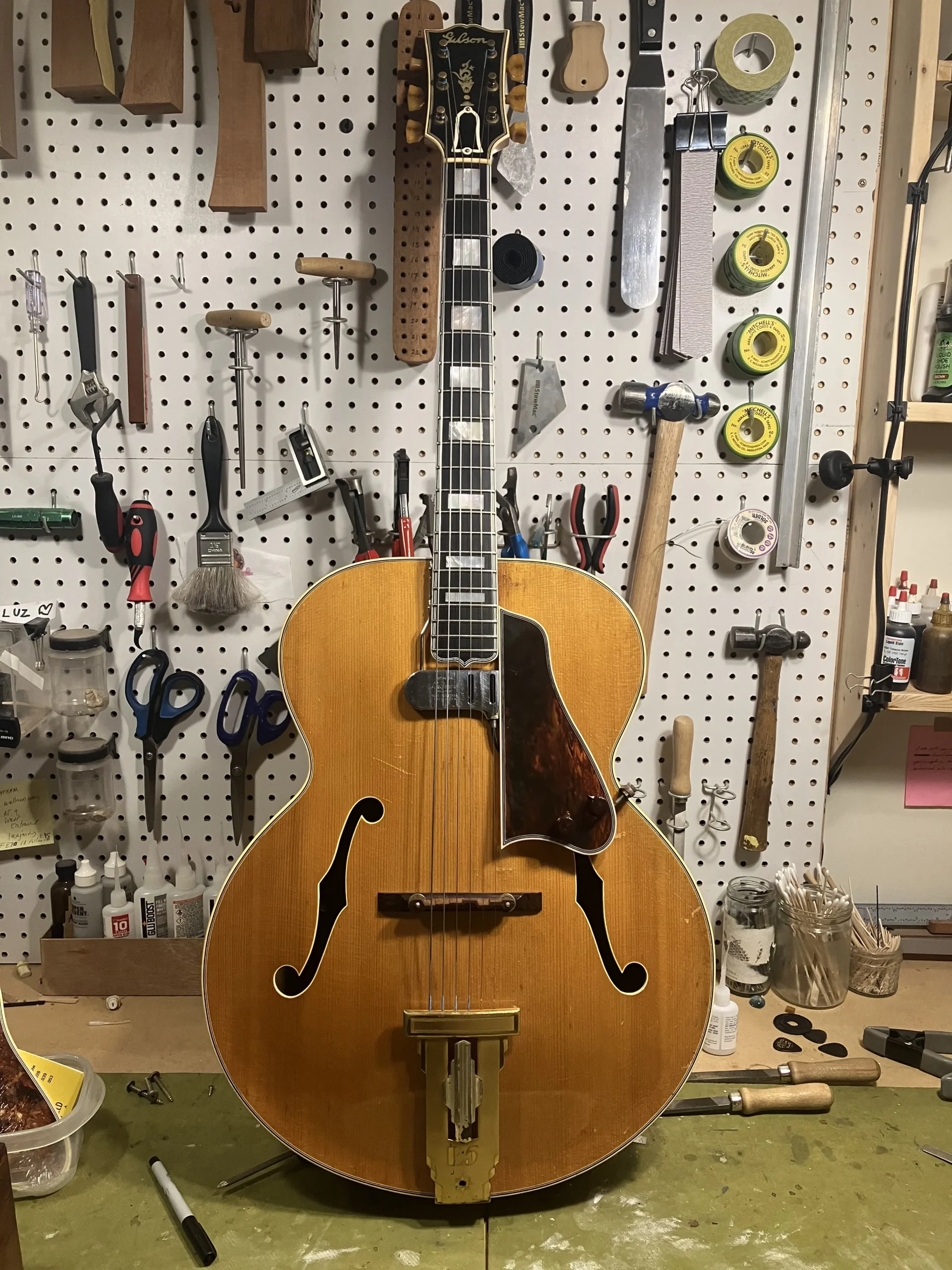
I recently had this 1942(?) Gibson L-5 refurbished. It belonged to my long-time partner Gina’s dad, a guitar player with good taste in guitars, clearly! Sadly, I never got to meet him. Happily, I play his guitar.
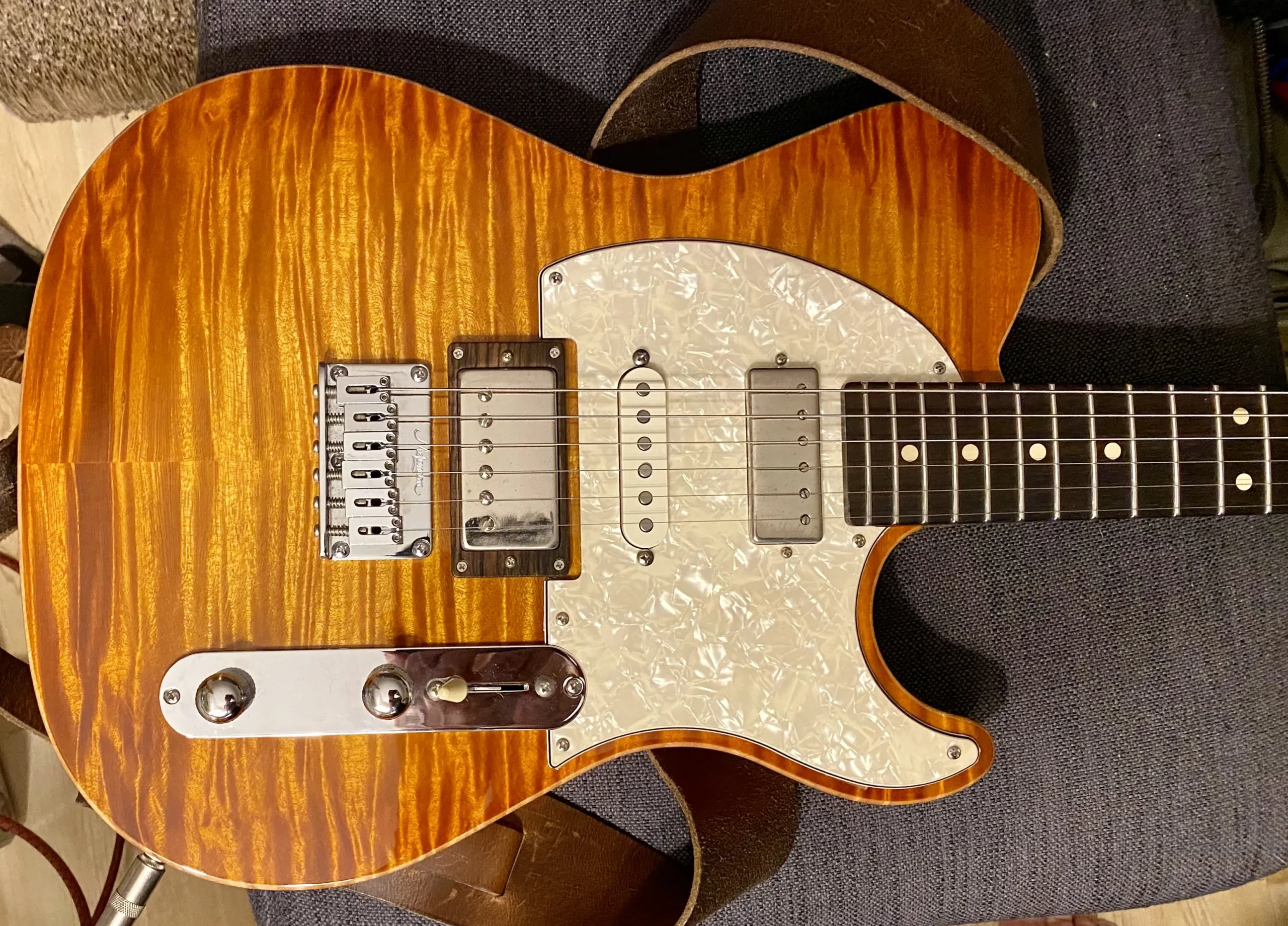
Gerard Melançon was a remarkable builder of mostly Fender style electric guitars, and he had an amazing collection of talents. He was interested in giving you exactly what you wanted, but knew how to give you a more solid, dependable and beautiful version of it than you could ever have imagined.
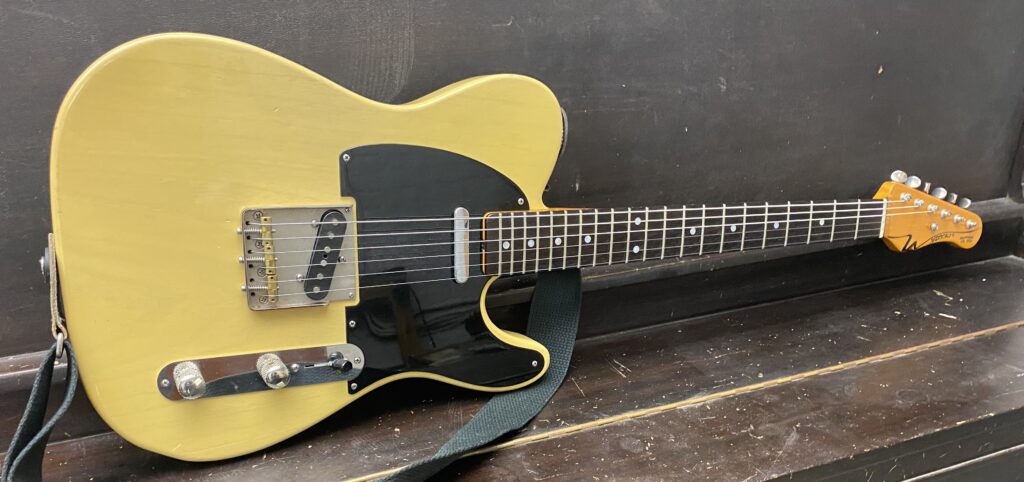
Larry Wysocki made the most authentic, vintage sounding Telecaster I've ever played; it's also very light, and a real pleasure to play.
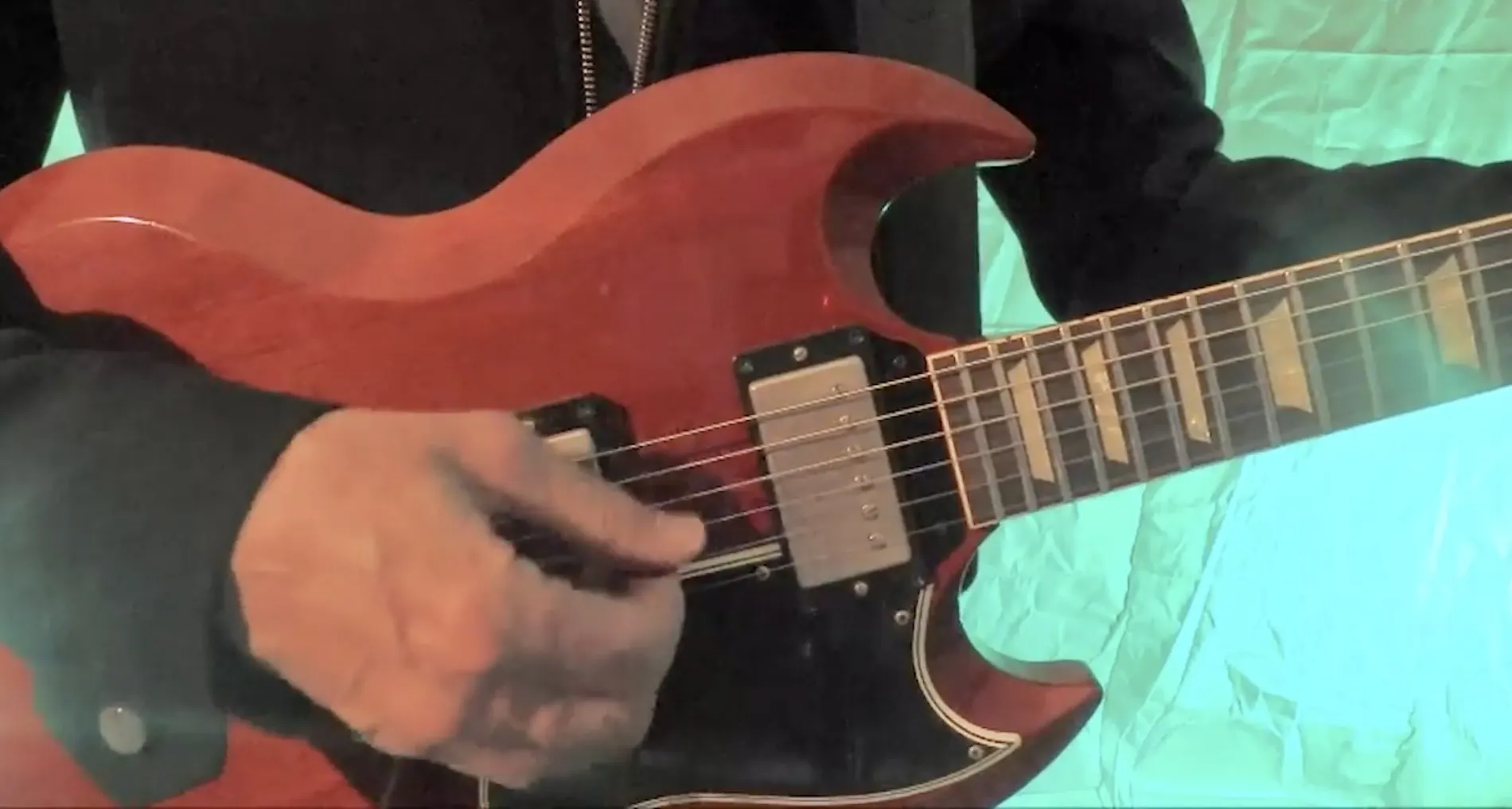
I like the Gibson SG when it’s time to crank it up.
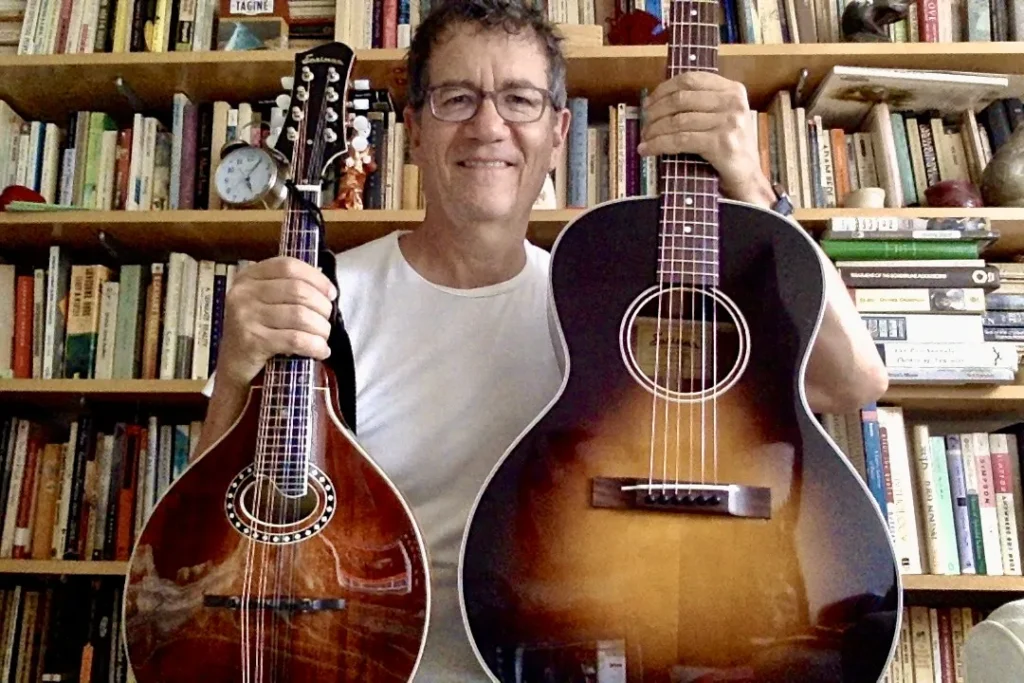
Eastman has made several guitars and a mandolin for me over the last many years, and I’ve been thrilled with the sound, look and feel of each and every instrument.
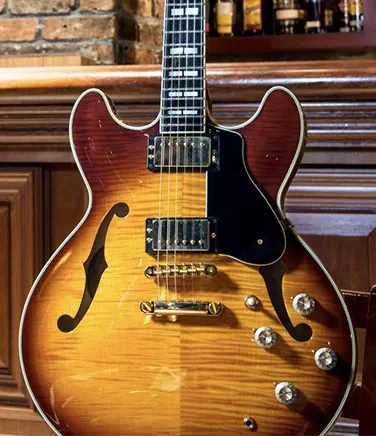
Of all the Yamaha guitars I’ve played, the SA-2200 is my favorite. It’s a “Cadillac” of a guitar - sturdy, solid, classic, and beautifully appointed.
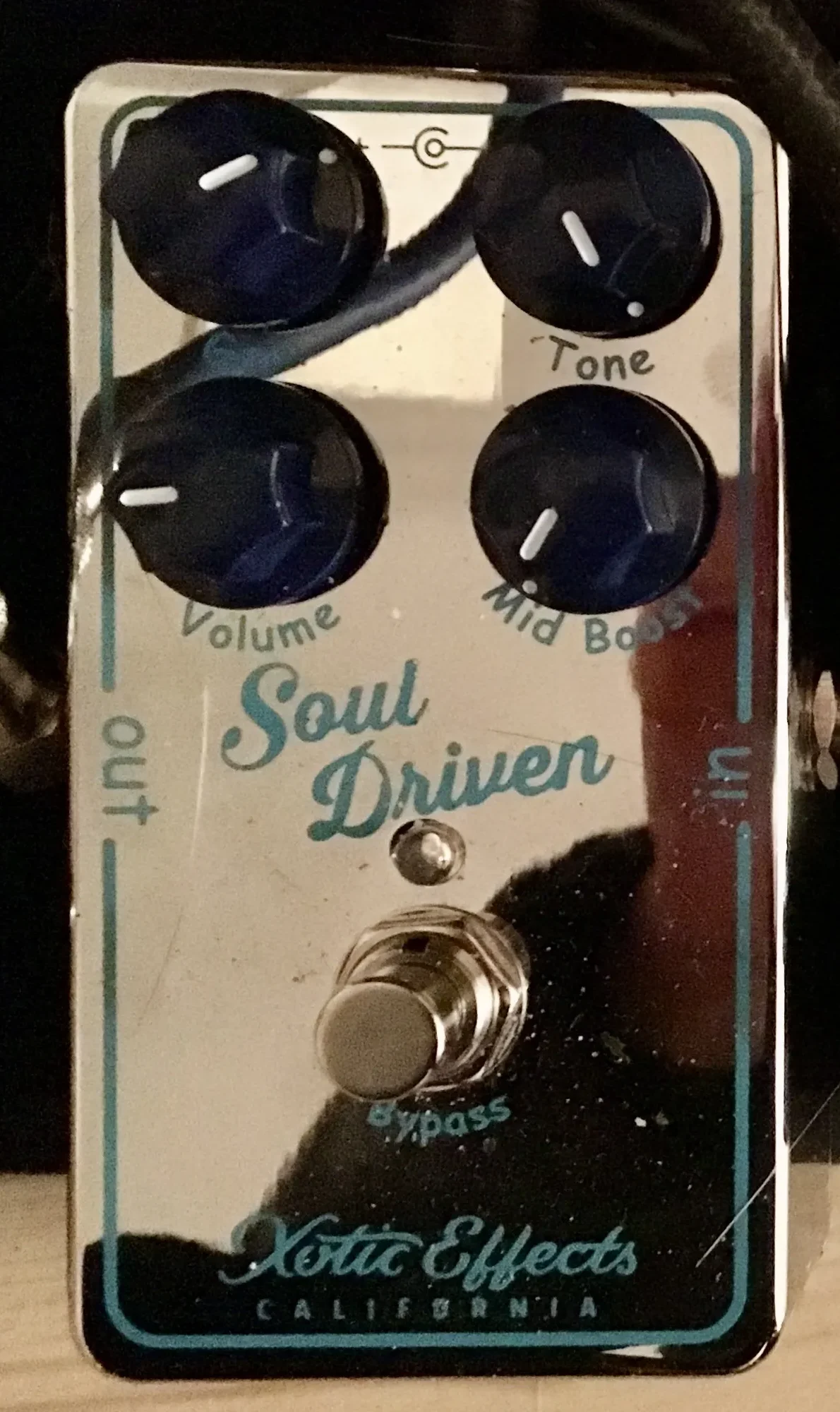
Though I almost never use an overdrive pedal when I’m able to play through one of the amps of my choice (the Guytron or the Bludotone), there are many situations where I’m using a house amp or a rented back line amp, and then my absolute favorite “go to” overdrive pedal is the Xotic Soul Driven. It’s sweet, fat and round sounding, and more convincing than most pedals I’ve tried, even at low volumes.
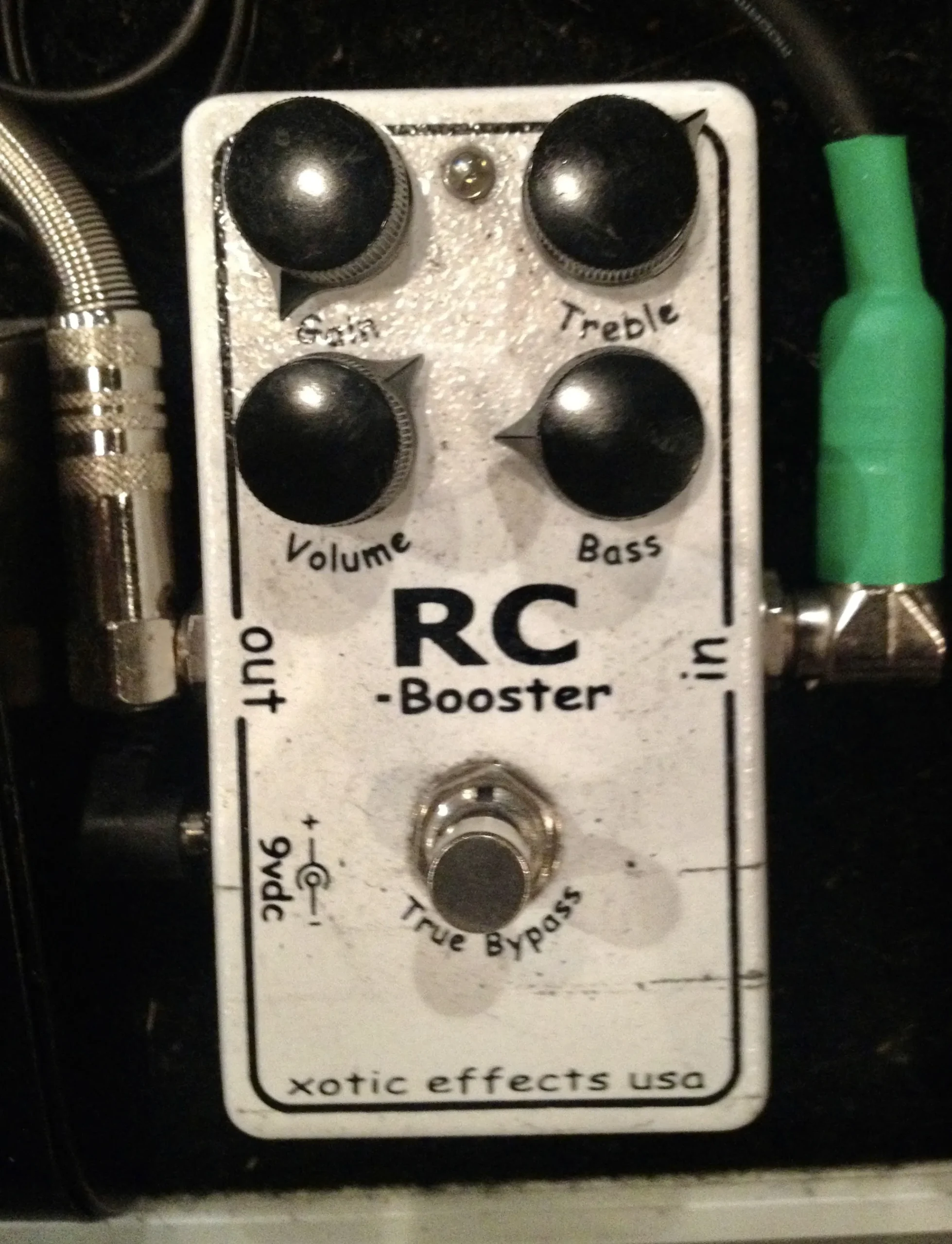
The Xotic RC Boost is an indispensable pedal for me. I use it before the amp or before an overdrive pedal, not to increase gain or drive but to use the beautifully tuned EQ it has. I typically set my amp or my overdrive pedal for a soloing tone I like on the bridge pickup, and when I switch to the neck pickup the tone is quite dark and muddy. On the neck pickup I kick in the RC, and use the EQ to pull out a lot of low end and add a bit of high end. I often use the output level of the pedal as well to reduce the volume of the guitar when it hits the amp or the overdrive. The end result is a much clearer neck pickup tone without too much overdrive and without too much bass that cuts as well as the sound I use on the bridge pickup. It’s a real problem-solver!
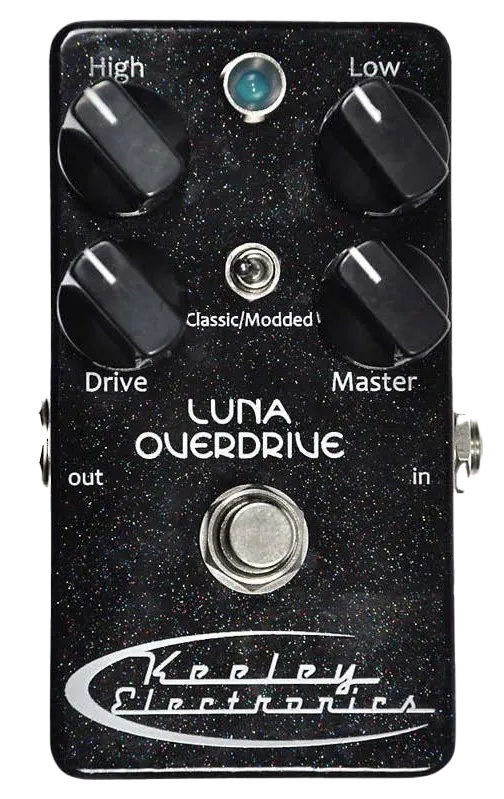
The Luna Overdrive made by Robert Keeley is a beautiful, fat sounding overdrive I like to use on the bridge pickup. You can hear it through a Princeton Reverb on the second video course I did for TrueFire - Soloing Strategies - it sounds like a surprisingly big rig!
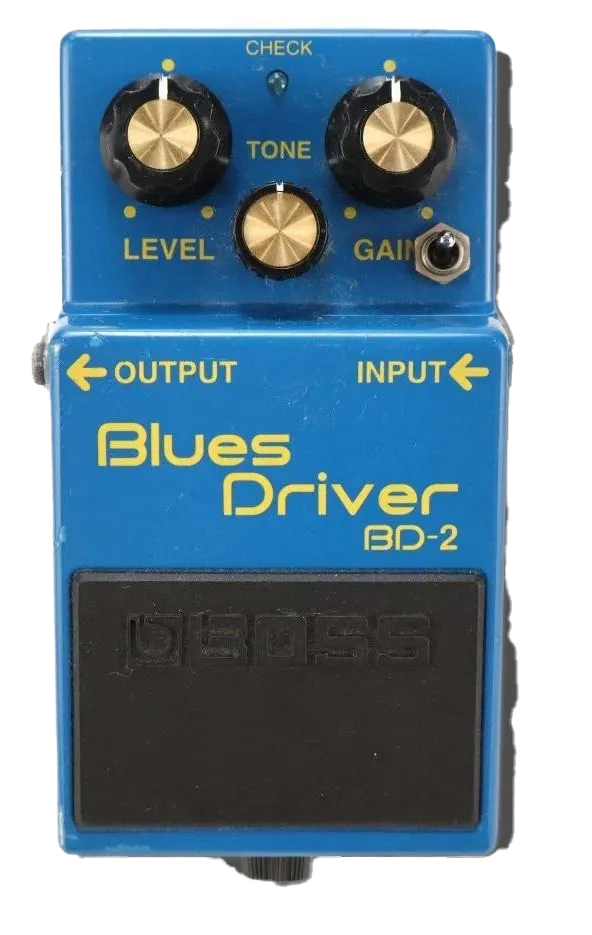
One of the other very dependable overdrive pedals I’ve relied on through the years is Robert Keeley’s subtle improvement on the Boss/Keeley Blues Driver. The thing I’ve always loved about this pedal was how well it cleans up when you lower your guitar volume. If you lower it just the right amount, the tone is almost identical to the tone with the pedal off (and the guitar volume up). So if you like to use your guitar volume control to get different shades of overdrive, and you like a natural sounding overdrive, this pedal is ideal.
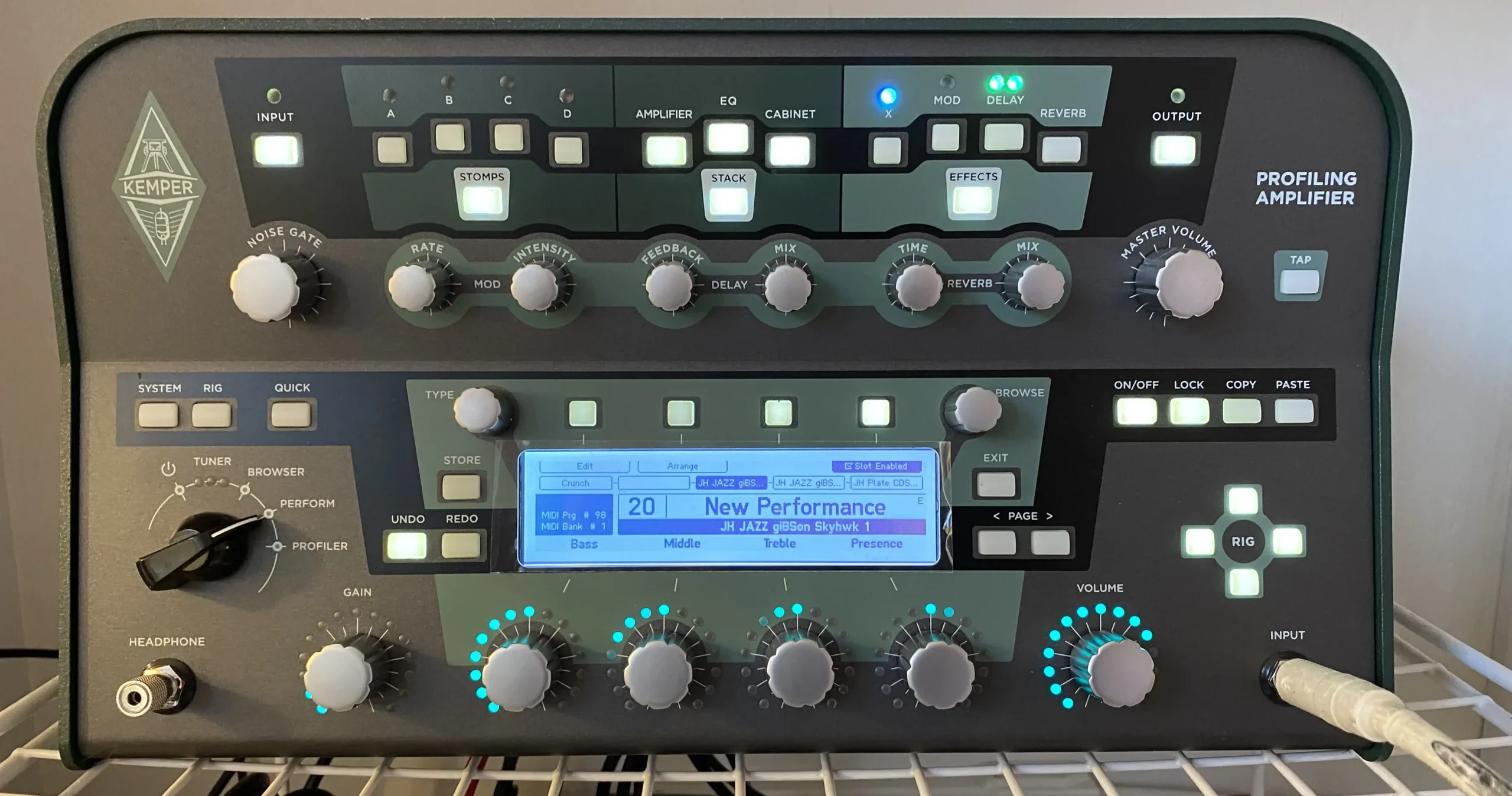 My Kemper Profiler has become a recording workhorse for me. I discovered the Kemper on a Steely Dan tour with Steve Winwood and his band in the opening spot. Steve and José Neto, Steve’s guitarist, were both using Kempers on the gig, and I was intrigued. One day José missed a show - he’s an avid tennis player and even Florida’s 100 degree heat didn’t stop him from playing that day. But it also gave him sunstroke. So Steve asked me if I would learn his set in case José wasn’t up to playing the next day. Though I had no guitar in the hotel room, I stayed up most of the night listening to board tapes and receiving emails from Paul Booth, the amazing saxophonist in Steve’s band, who was putting together charts for me to use. I was half excited and half terrified, and ultimately greatly relieved that José was well enough to play the next day. Soon after that, Steve called me to tell me he had a thank you gift for my having been a good sport and for having spent so much time and effort learning his music - it was a new Kemper Profiler.
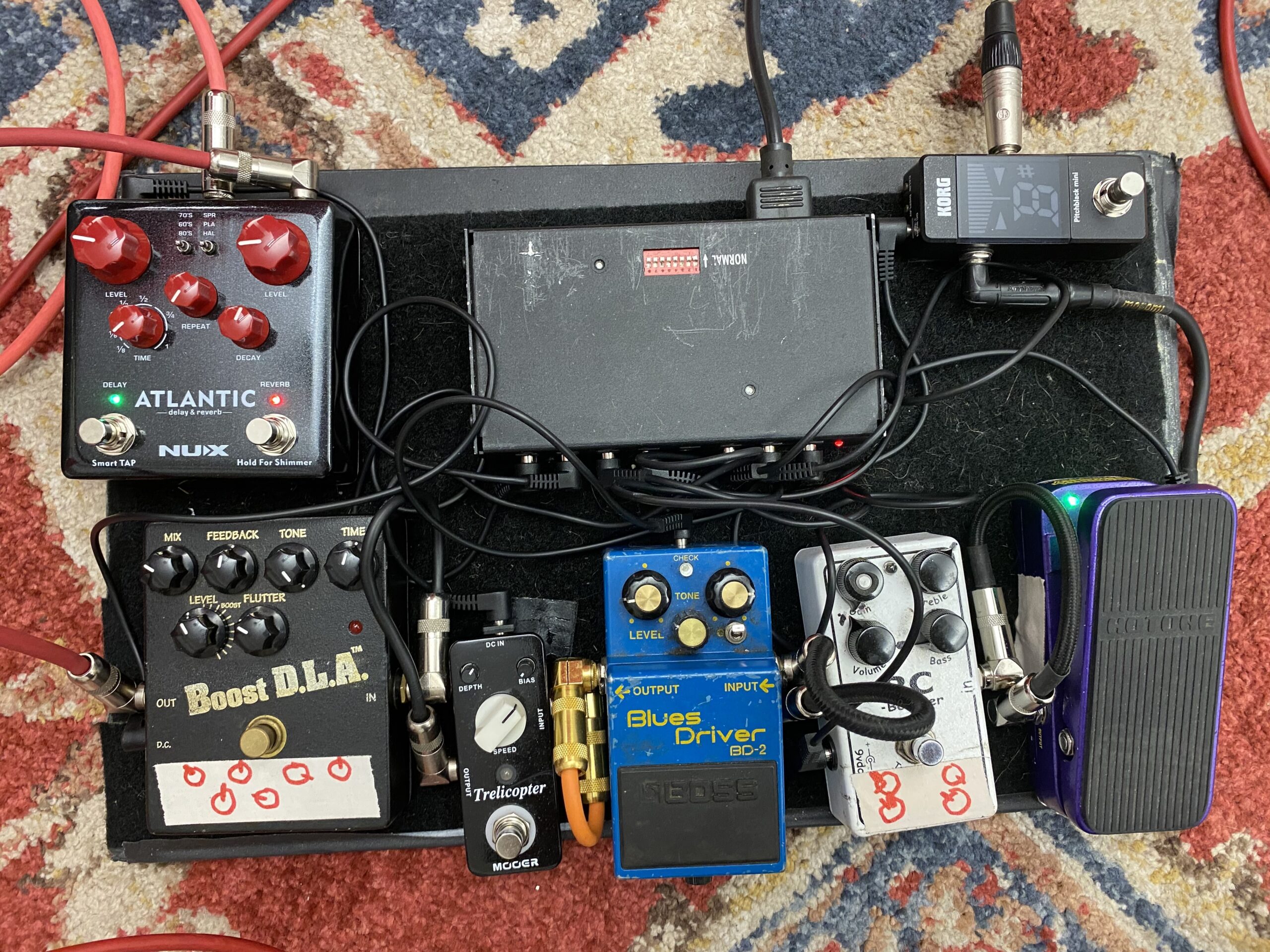
This is my very portable but versatile small pedalboard for local gigs…
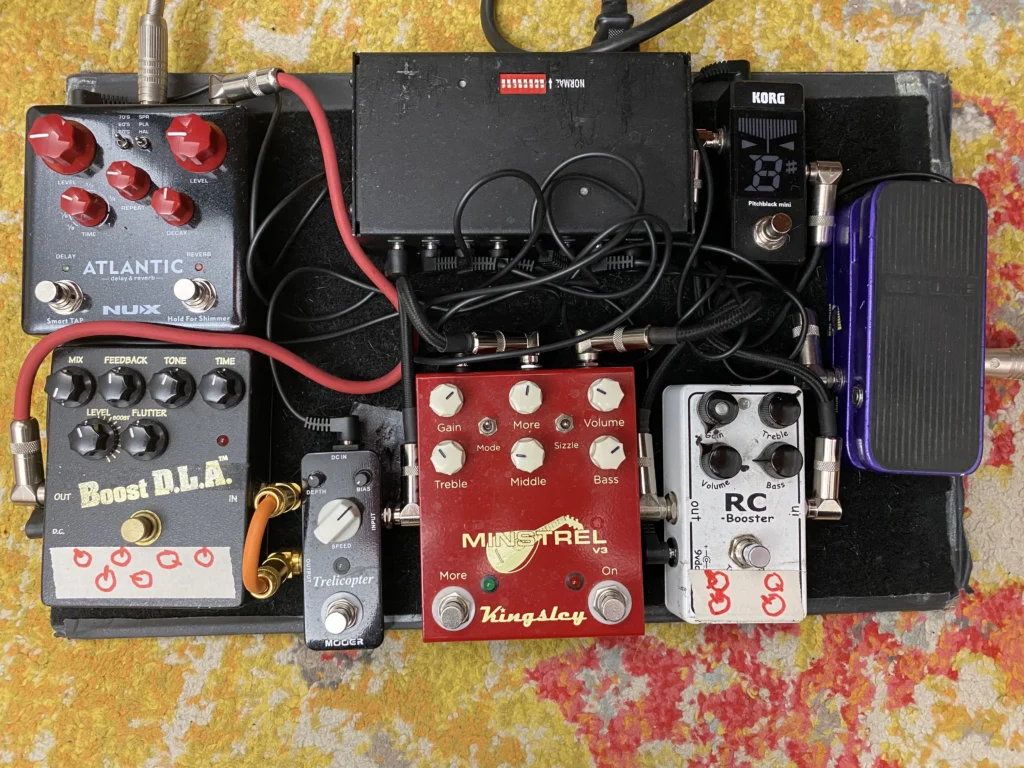
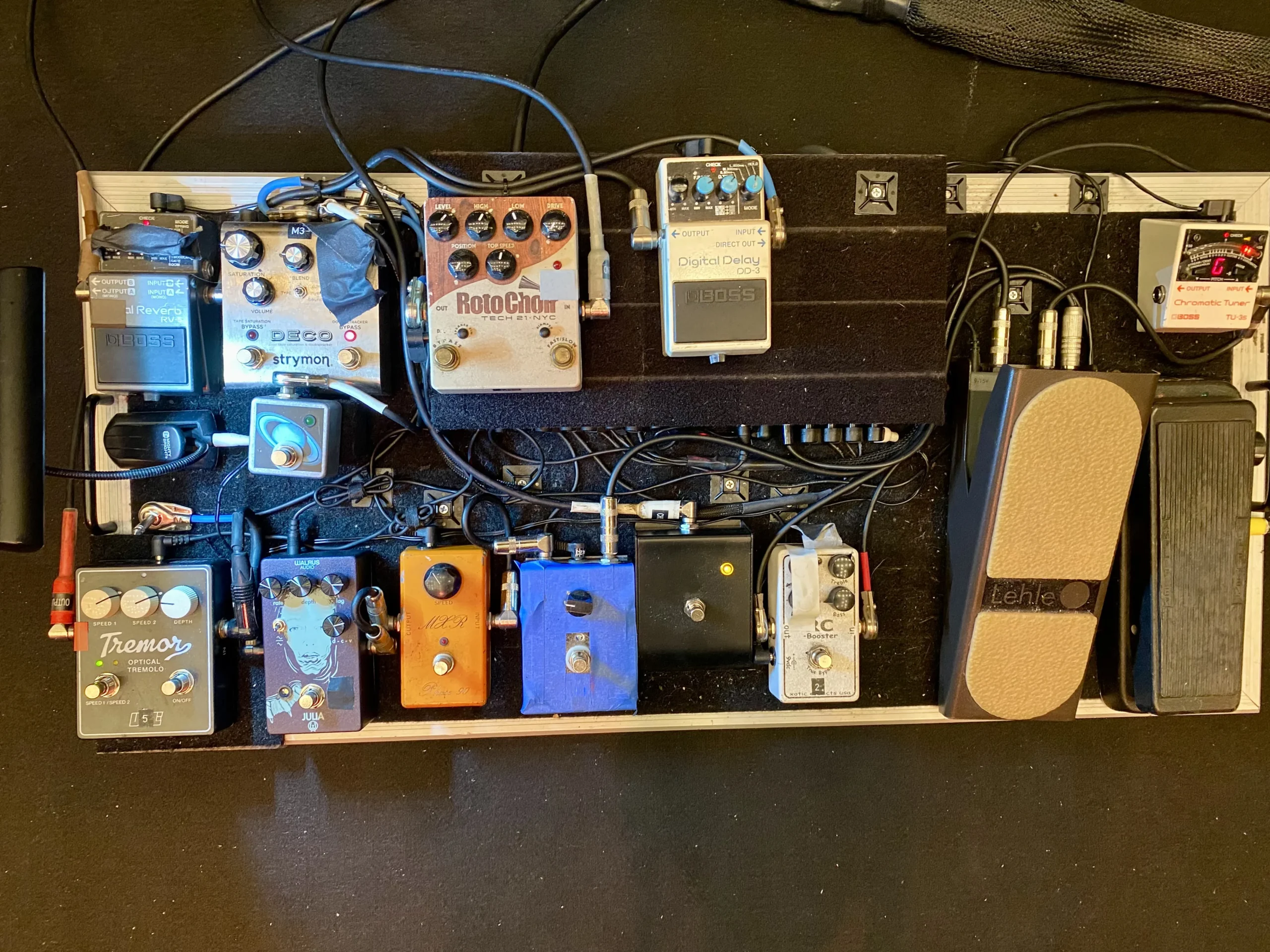
When someone else is carrying all my gear - a real luxury! - I can use a heavier, large pedalboard. From tour to tour I swap out certain effects when I need to on this board, and though having all the wiring on top of the board isn’t pretty, it is flexible and easy to quickly troubleshoot if problems arise.
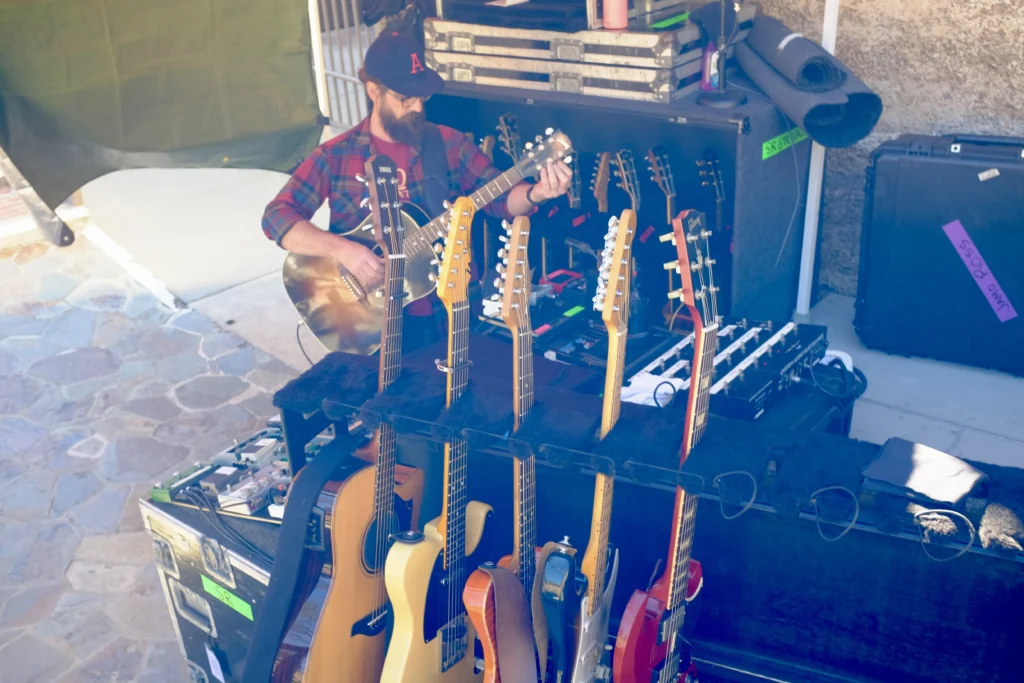
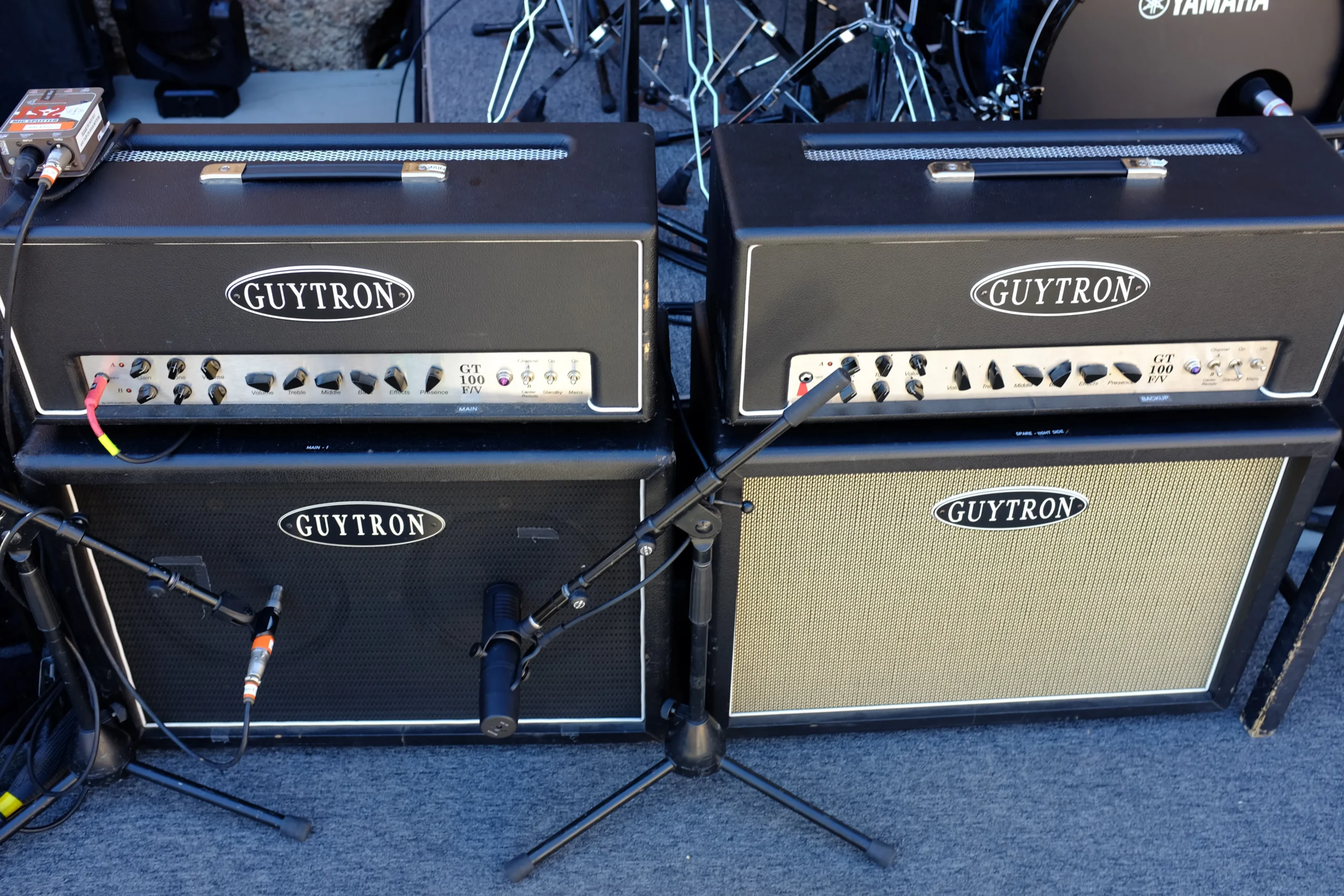
The Guytron GT100FV Amplifier and its 2 x 12 cabinet, a design of Guy Hedrick, has been my live touring mainstay amp setup since the first Steely Dan tour I played in the year 2000. I’ve owned several over the years, but it has worked like a charm from the beginning. Once Graydon Stuckey of GDS Amplification took over the company, the quality control rose to even greater heights, and it is the most intuitive, easy to use, flexible and great sounding amp I’ve found. The best master volume I’ve ever heard, easily balanced channel switching and a great effects loop make life on the road a (relatively!) simple pleasure.
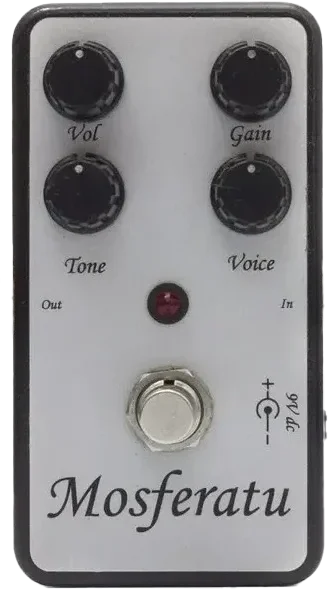
Renowned for his Zendrive, Alfonso Hermida also made the Mosferatu, an overdrive I prefer.
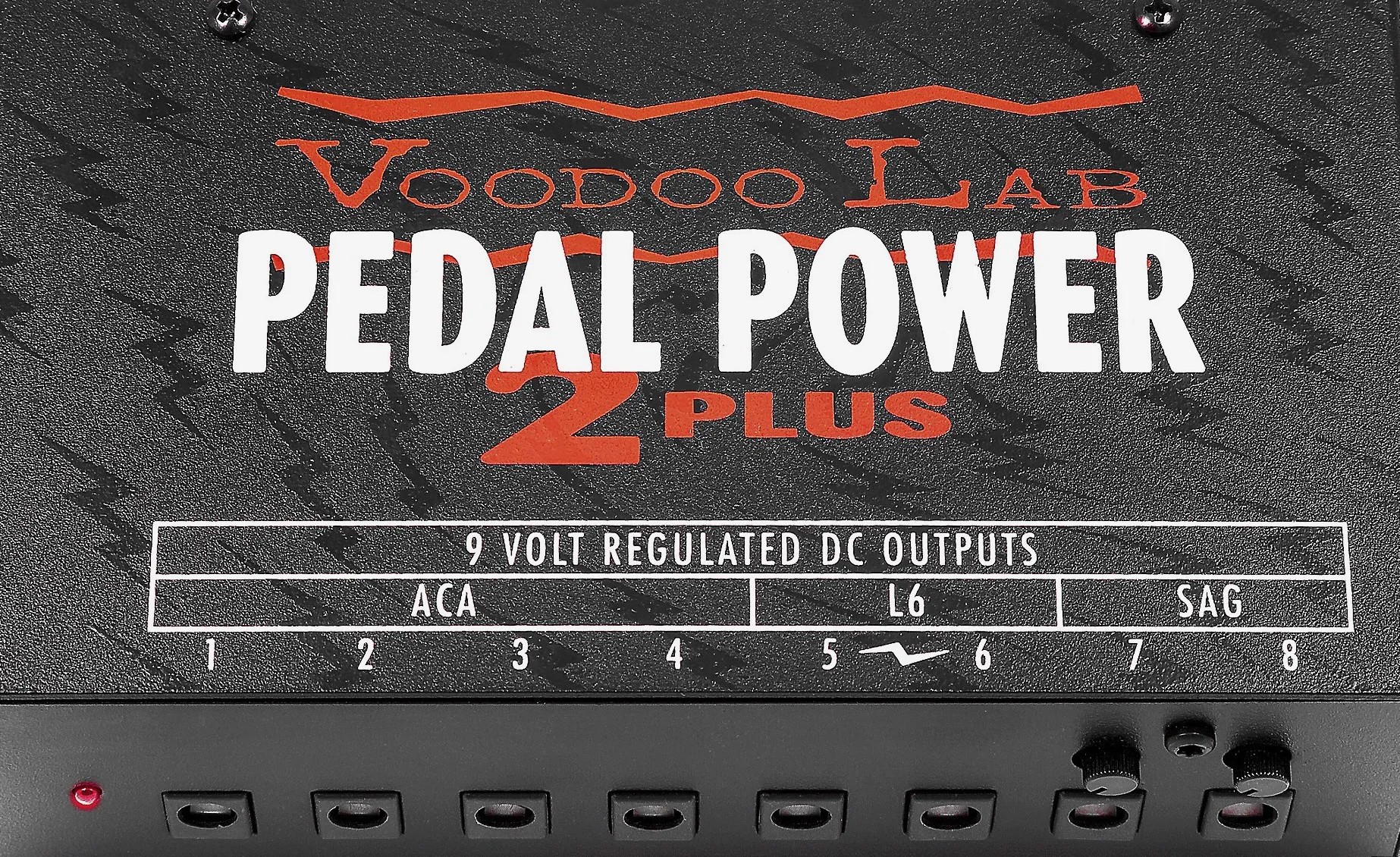
Voodoo Labs power supplies have been on my pedalboards for decades, quietly doing their job - with no failures!
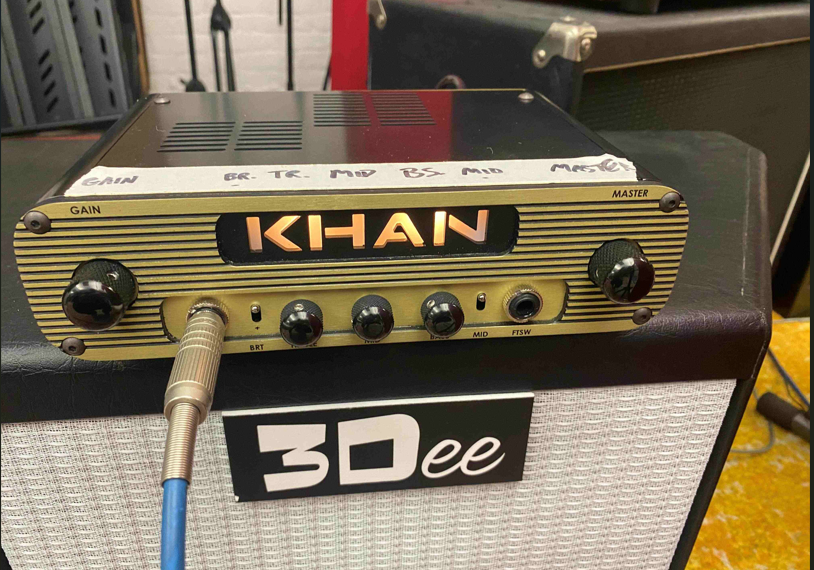
When I’m carrying my own gear, these two items come in handy - the Khan amp, the smallest real tube guitar amplifier I’ve ever seen, and the big, sweet sounding 3 Dee cabinet with one 12 inch Celestion in it and two ports on angled sides of the cabinet. They both sound great individually and together, and they’re both small and light - very necessary these days for me.
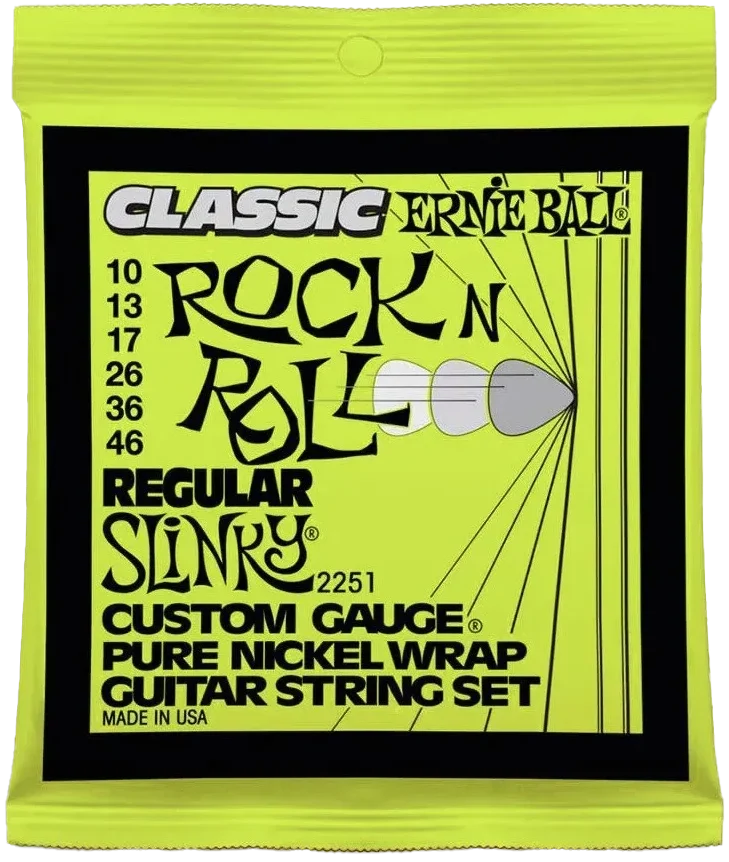
I started playing Ernie Ball 2251 Pure Nickel Rock n Roll Regular Slinky guitar strings when I was a long-haired, high school age rookie rocker. I still play them today.
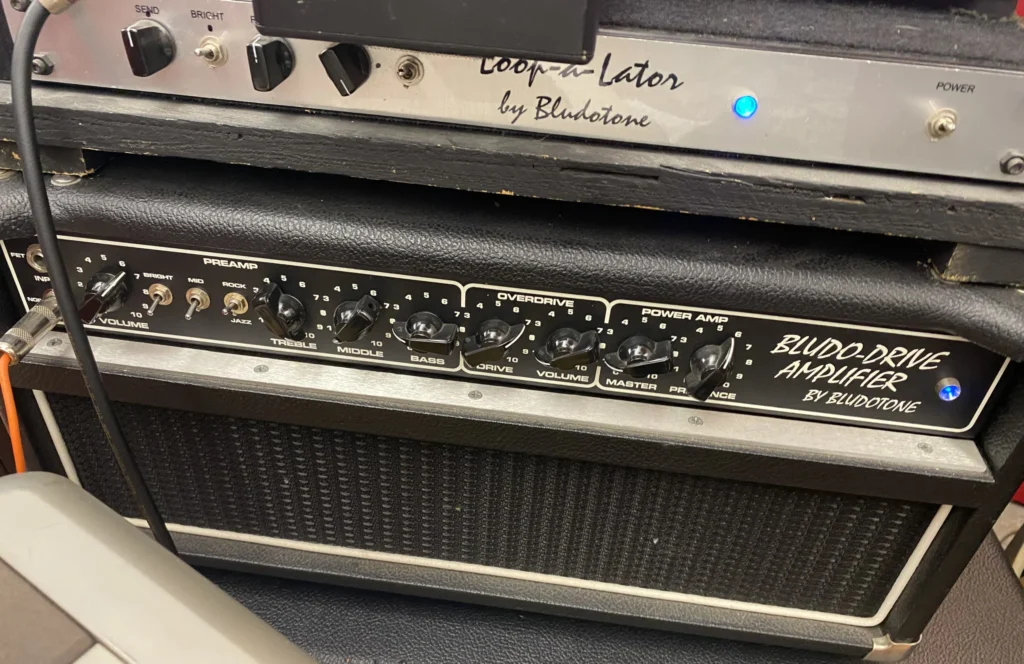
One of the finest sounding amps I’ve ever played or owned is the Bludotone Bludo-Drive Amplifier.
 .
.
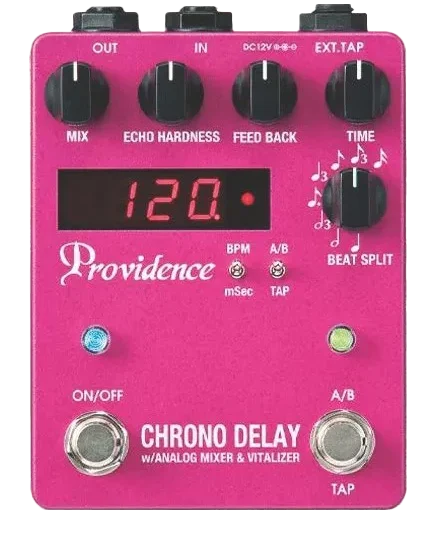
Meticulous attention to quality and detail are what make this Providence Chrono Delay effect and many others they make such great choices, whether using them live or in the studio. Highly recommended…
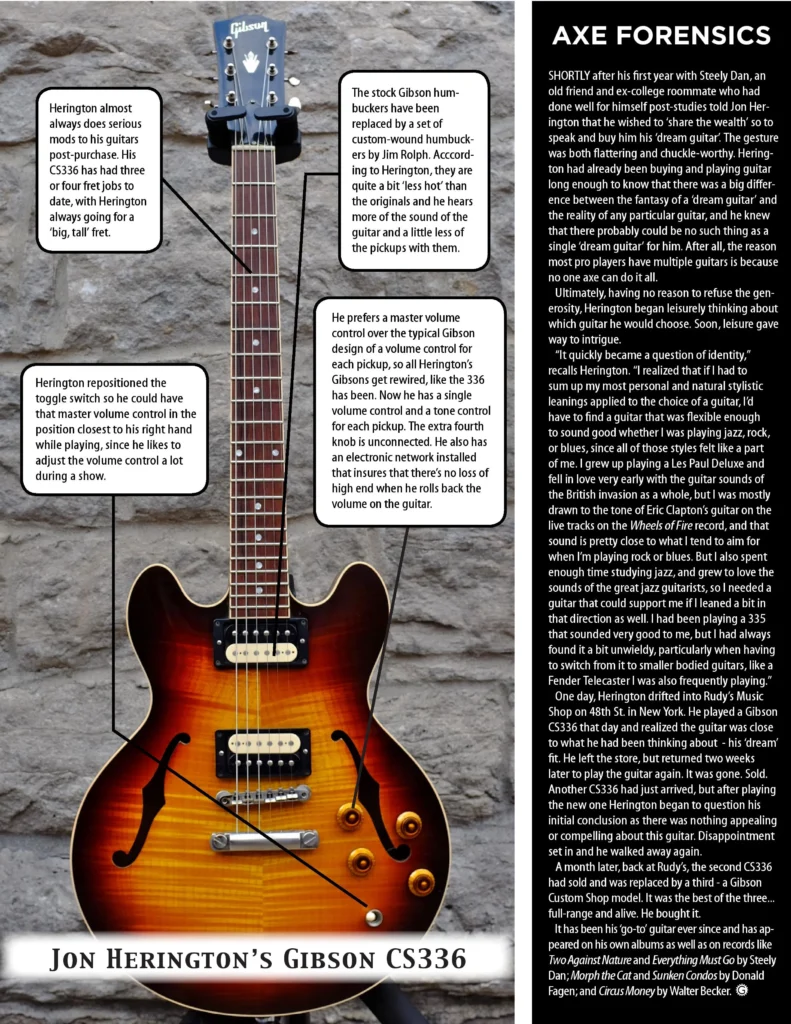
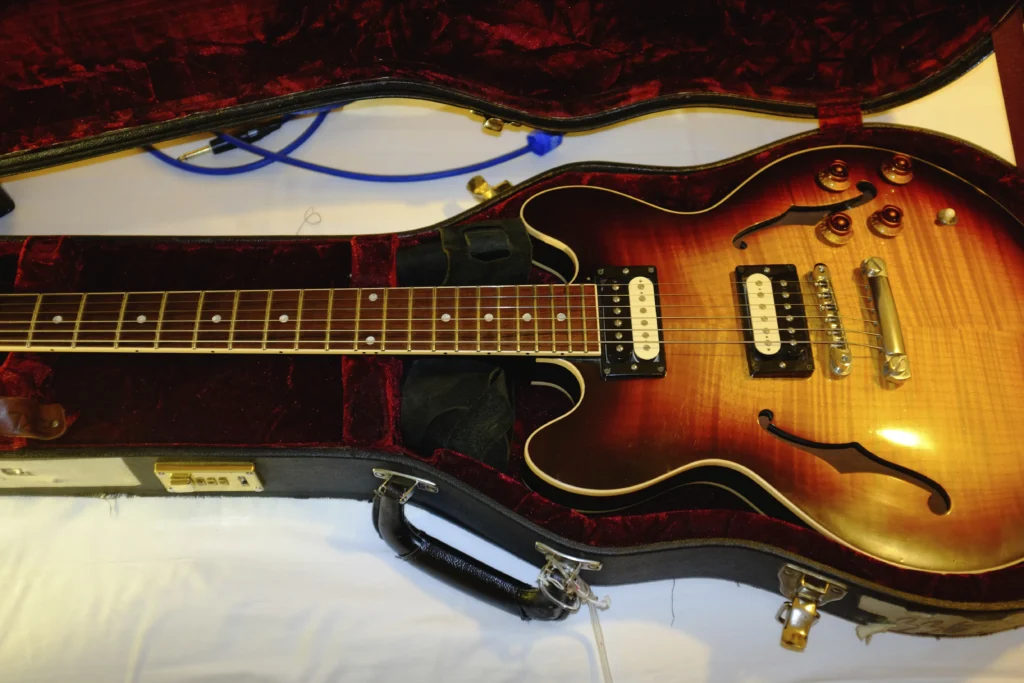
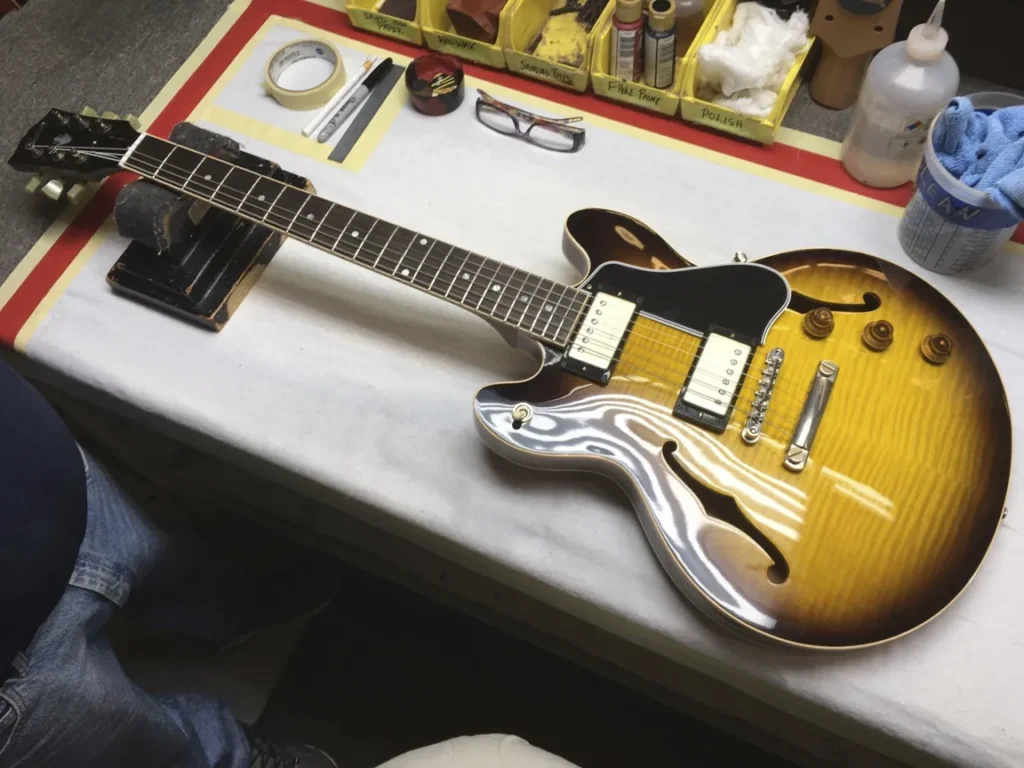
The Gibson Custom Shop once made a couple of prototypes of what we hoped might become a signature model of mine. That didn’t happen, for various reasons, but over time I have acquired both of them, which were modeled on my slightly modified Gibson CS-336 Custom Shop guitar, originally purchased in 2001.
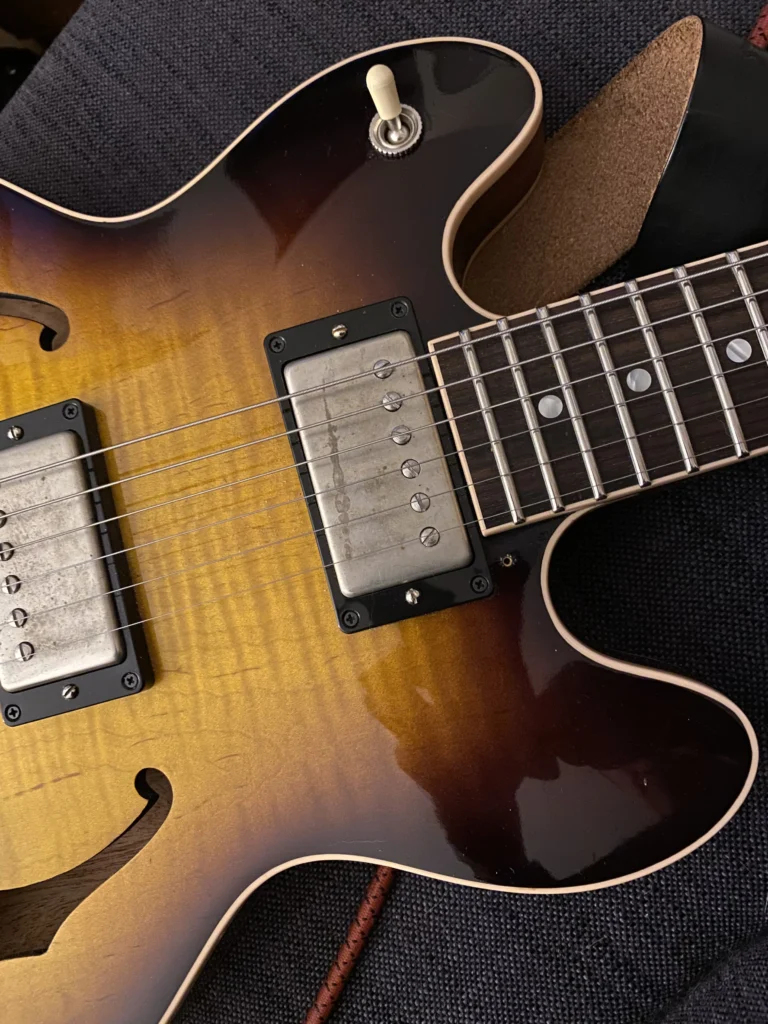
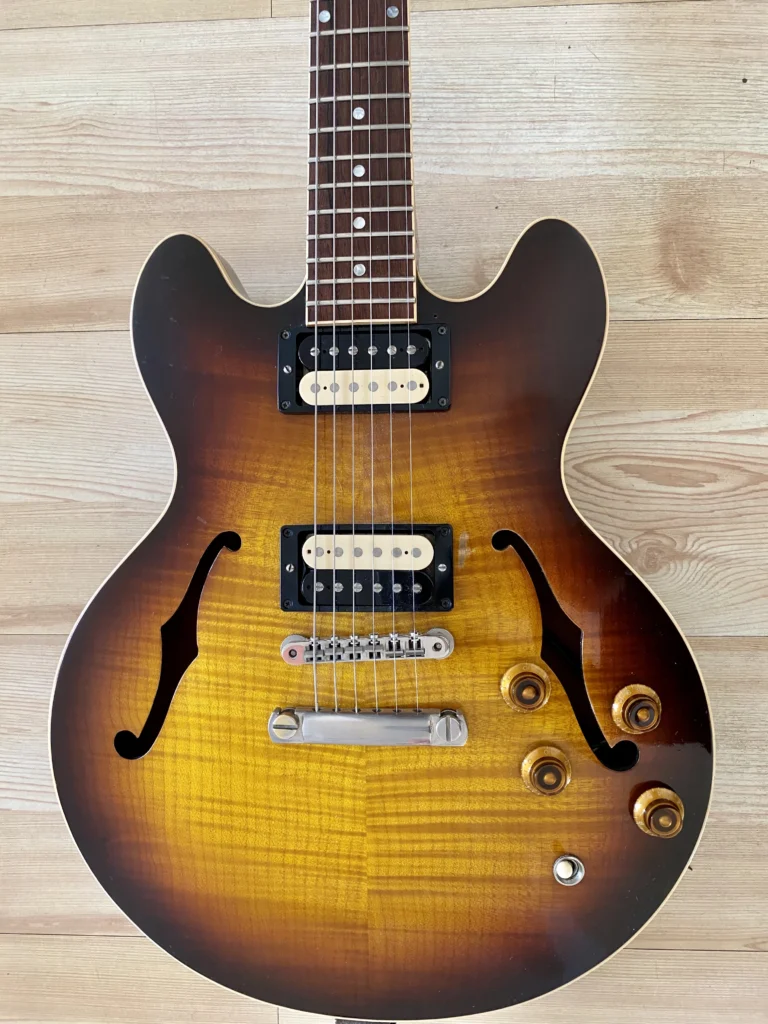
Reverb Store